Building a Strong Foundation: Life Skills Every Young South African Needs
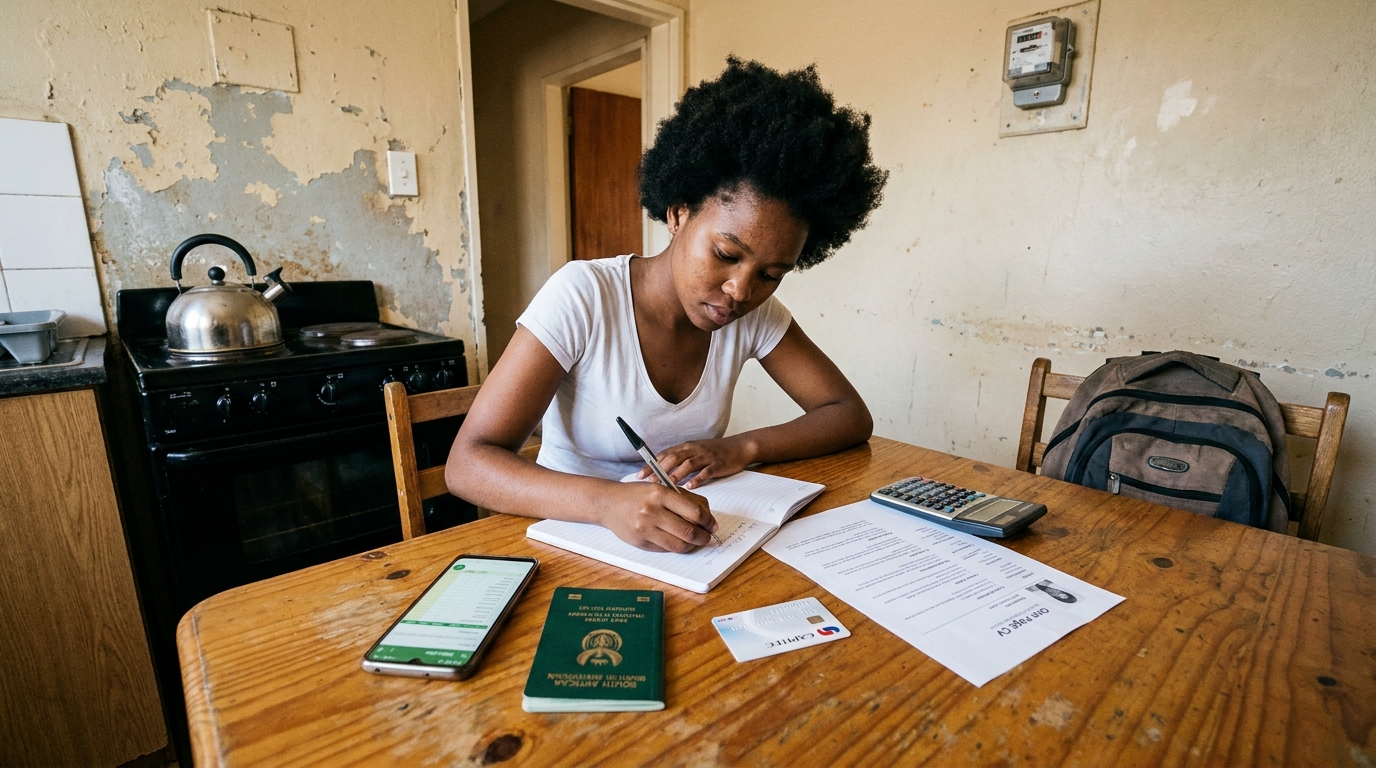
Adulting in South Africa can feel like a moving target. One minute you are chasing a campus deadline, the next you are hunting for a prepaid electricity token. Here is a simple, local playbook to steady your feet and build real momentum.
Know yourself and manage your time
Time is your most valuable currency. Treat your week like a budget: plan it on Sunday, spend it with intention, review it on Friday. Use one calendar and one to-do list, not five apps and a thousand sticky notes.
Keep it simple: a weekly timetable for classes or work, a daily top 3, and one parking lot list for everything else. When I was tutoring at the community library, the students who won exams were not the brightest; they were the ones who checked their plan every morning and adjusted when a taxi strike hit.
- Pick a calendar app and switch on reminders.
- Block 2 study sprints a day, 50 minutes each.
- Do a 10 minute nightly reset: bag packed, clothes out, lunch prepped.
Money basics for SA life
Your bank account is a tool, not a trophy. Know the fees, track your spending, and give every rand a job. A simple 60-30-10 budget works for many students: 60 percent needs, 30 percent education and growth, 10 percent savings or debt.
Understand your payslip early. PAYE is income tax, UIF is unemployment insurance. Get a SARS tax number and an online eFiling profile even if you earn little. It eases bursary checks and future job onboarding.
I still remember my first retail payslip at month end, staring at deductions I did not recognise. A 10 minute chat with HR saved me from signing a bad store credit deal that day.
- Open a low-fee transactional account and turn off unnecessary debit orders.
- Build a starter emergency fund: aim for R1 000, then R5 000.
- Avoid buy-now-pay-later and store cards unless you can clear them monthly.
- Check your free credit report annually and fix errors.
Paperwork that protects you
Documents unlock doors. Keep clean scans in a cloud folder and a second copy on a USB. Name files clearly like Name_ID_2026.pdf.
- Green ID book or Smart ID card, plus birth certificate.
- Bank confirmation letter and proof of residence.
- SARS tax number and eFiling login.
- Matric certificate or latest results, and certified copies.
- NSFAS or bursary documents, fee statements, and student card.
- CV, reference list, and certificates from short courses.
Communication that opens doors
Clear, respectful communication makes people say yes. Use a professional email address, short subject lines, and tidy attachments. On WhatsApp, think before you voice note, and avoid sending documents as photos when a PDF is needed.
An HR officer once told me, We shortlist the people who can follow basic instructions. If they ask for a PDF, send a PDF, not a camera pic with a thumb in the corner.
- Subject lines: Short and clear, e.g. Application - Sales Assistant - Jane M.
- File names: JaneM_CV_2026.pdf and JaneM_MatricCert.pdf.
- Email signature: Name, phone, city, LinkedIn if you have it.
Digital habits and online safety
Your phone is your office. Protect it. Use strong passwords, turn on 2FA, and beware of phishing SMSes claiming to be your bank or SARS. Avoid logging into sensitive accounts on free Wi-Fi at malls or taxi ranks.
- Use a password manager and unique passwords.
- Enable 2FA with an authenticator app rather than SMS where possible.
- Back up notes and documents to cloud weekly.
- Update apps and the phone OS when prompted.
- If you suspect a SIM swap, call your bank immediately and freeze cards.
Learning on purpose
Degrees are powerful, but so are TVET diplomas, learnerships, and trades. Map your goal to SAQA NQF levels and choose the path that fits your budget and timeline. Use application portals early and track closing dates in one place.
Ask for help: writing centres, lecturers office hours, senior students, YouTube, and community organisations can all accelerate your progress. One coffee with a second-year apprentice can save you months of confusion.
- Explore TVET and SETA learnerships in fields like welding, electrical, and hospitality.
- Check institutional portals or CAO where relevant for application windows.
- Keep a simple learning log: what you studied, what you still do not get, next step.
Work readiness in SA
Be job ready before the ad appears. Keep a one-page CV, a short cover note, and two reachable references. Know your rights: contracts, hours, overtime rates, and how to read a payslip. The CCMA website explains basics clearly.
If a manager at a restaurant says, Start tomorrow, great. Ask for the hourly rate, shift length, break policy, and who signs the timesheet. If someone wants you to work a free trial shift, ask for clarification in writing.
- CV: one page, results and achievements, not paragraphs.
- References: ask permission first and confirm contact details.
- Portfolio: photos of projects, code, designs, or certificates in a shared folder link.
Health, safety, and boundaries
Your body and mind are the engine. Public clinics offer free contraception, HIV testing, and treatment. SADAG provides mental health support and free helplines. Sleep 7 hours when you can, drink water, and move your body daily.
Travel smart: share live location, sit near the driver at night in a taxi if it makes you feel safer, and keep a small torch for load shedding. Know emergency numbers and save them as favorites.
- Emergencies: SAPS 10111, Ambulance 10177, Cell 112.
- SADAG Mental Health Line: 0800 567 567 or SMS 31393.
- GBV Command Centre: 0800 428 428 or *120*7867#.
Home and life basics
Being independent is not glamorous every day. Learn three cheap, healthy meals you can cook fast, like pap and beans, egg fried rice with veggies, and chicken stew. Do laundry on a schedule, and clean the kitchen before bed to save morning chaos.
Track prepaid electricity use. Switch off standby devices, use LED bulbs, and consider a geyser timer if you have one. Keep a load shedding kit: charged power bank, torch, notebook, and a printed copy of important numbers. I once ran out of data the night before a submission; now I download slides while on campus Wi-Fi, just in case.
- Monthly basics: data bundle, electricity tokens, toiletry refill, transport.
- Keep a small toolbox: screwdriver, tape, light bulbs, plasters.
Community and networks
Doors open faster when people know you. Join a campus society, sports club, church or mosque youth group, coding meetup, or community project. Offer value first: take minutes, design a poster, help at an event. People remember doers.
Informational chats are powerful. Message a grad on LinkedIn: 10 minutes to ask about your path. One conversation can redirect a year.
- Set a monthly goal: meet 2 new people in your field.
- Keep a contacts note with how you met and what you discussed.
A simple weekly reset
Pick a quiet hour on Sunday.
- Review last week: wins, misses, lessons.
- Check money: balances, upcoming debit orders, airtime and data.
- Plan top 3 goals and the first tiny step for each.
- Prep: laundry, meals, bag, chargers, print what you must.
Small, consistent steps build a strong foundation. You do not need perfect conditions, just a steady rhythm and a bit of courage.
"Start where you are, use what you have, do what you can."